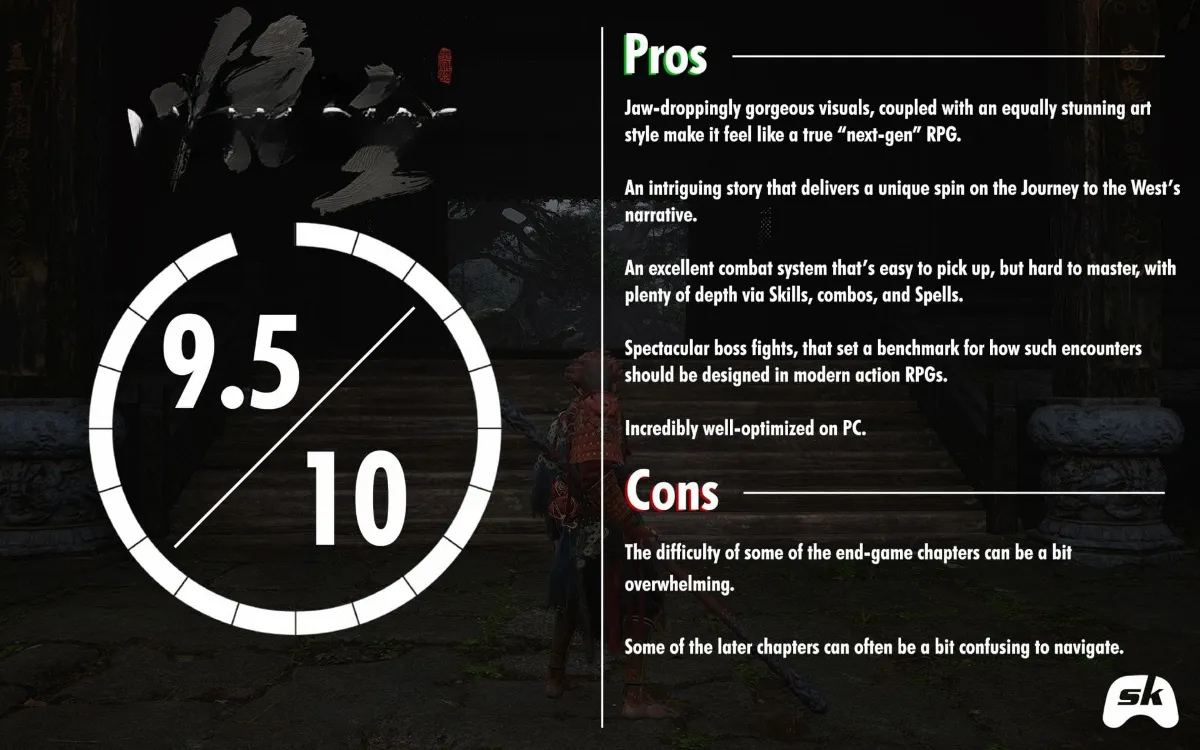
Let me tell you, stepping into the world of Black Myth: Wukong back in 2024 was a revelation, and even now in 2026, the experience still feels as fresh and breathtaking as the day I first booted it up. As someone who lives and breathes action RPGs, I approached this title from the relatively unknown developer Game Science with cautious curiosity, not wanting to get my hopes too high. Boy, was I in for a surprise. By the time the credits rolled on my first playthrough, it had not just earned a spot on my ‘Game of the Year’ list—it had redefined my expectations for the genre. I never thought I’d see something that could stand shoulder-to-shoulder with the epic scale of Shadow of the Erdtree, but Wukong didn’t just stand there; it soared past in several key areas. This game, folks, is the real deal.
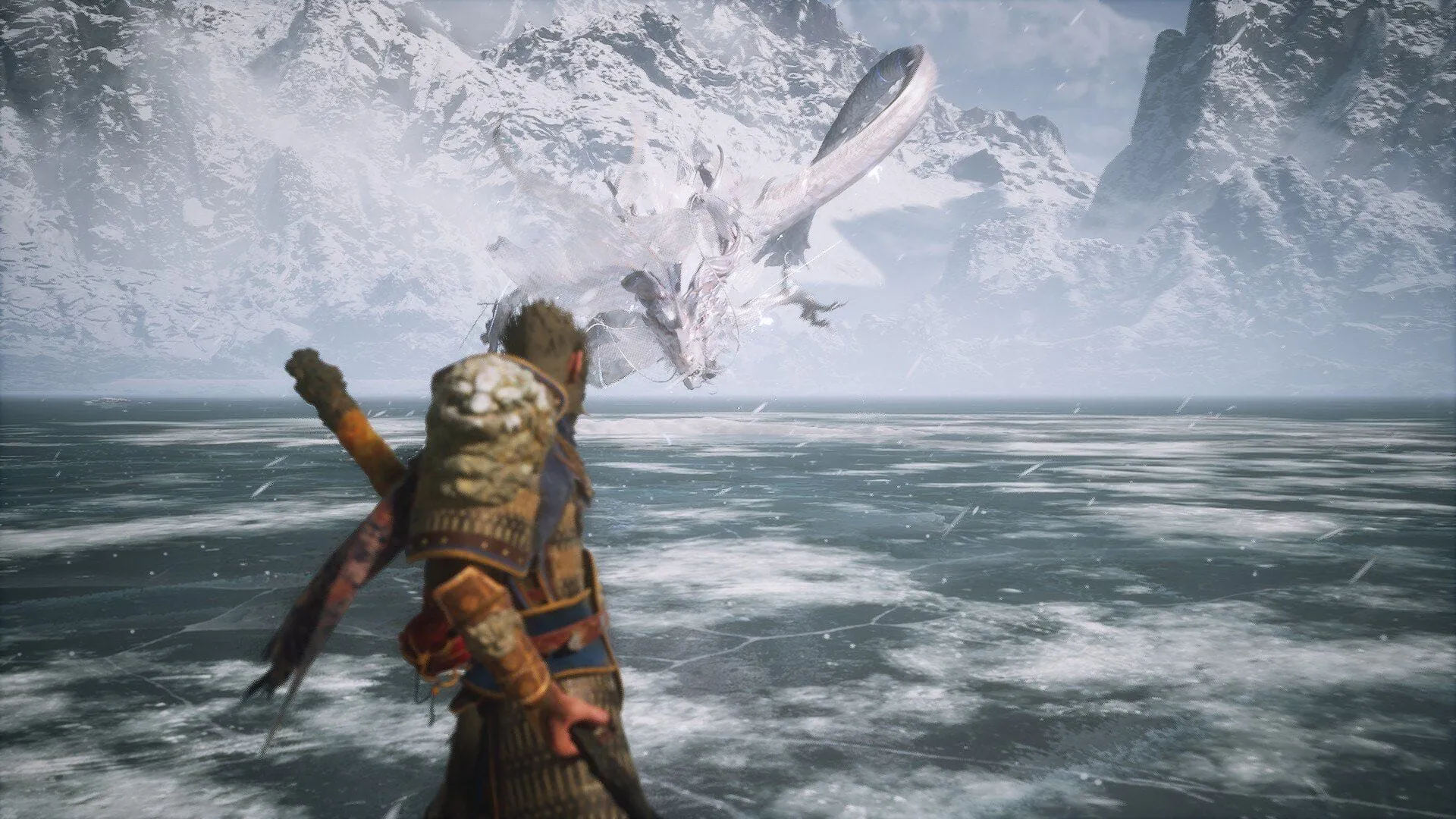
First things first, let’s talk about the elephant in the room: the visuals. Holy moly. When that initial gameplay trailer dropped, it looked too good to be true—like a tech demo masquerading as a game. Fast forward to playing it on my own rig, and I became a true believer. Game Science has delivered what I can only describe as the ‘true next-gen’ RPG experience we’ve been promised since Unreal Engine 5 was first shown off. Having played my fair share of UE5 titles over the last few years, I can say with confidence that Black Myth: Wukong is the undisputed champion of the engine’s implementation. This isn’t a walking simulator or a glorified cutscene; it’s a living, breathing, and visually stunning world you actively fight through. Videos simply don’t do it justice—you need to see it running on a capable PC to appreciate the sheer passion poured into every texture, every beam of light, and every creature design.
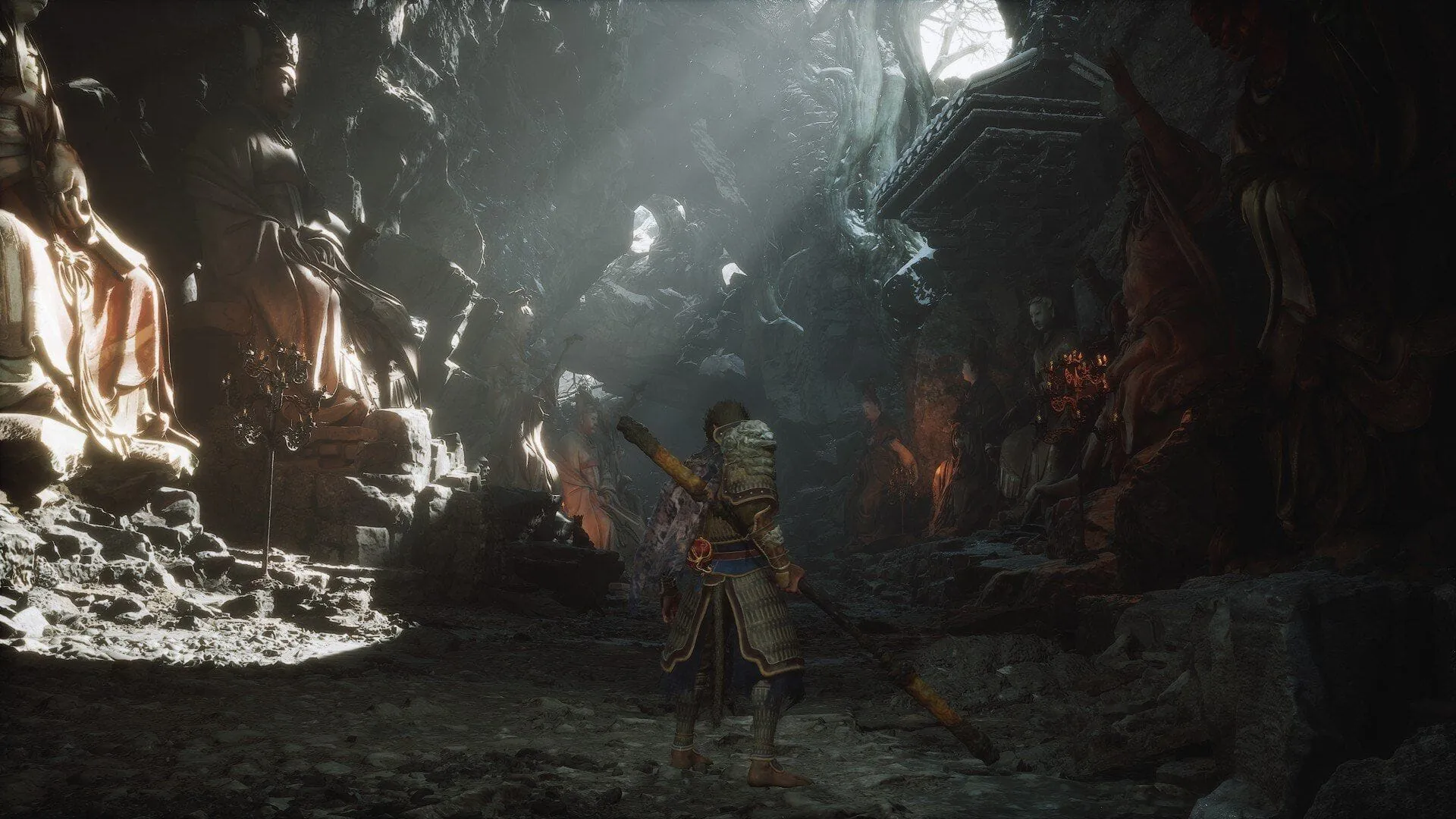
The art style is a masterpiece in itself, often rivaling the iconic aesthetics of FromSoftware’s worlds. The creature designs? Absolutely bonkers. I once thought the Demon’s Souls remake on PS5 was the pinnacle of Souls-like graphics, but Wukong has confidently taken that crown. From lush, mist-shrouded forests to intricate temple interiors, every environment is a painting in motion. The soundtrack, while perhaps not as instantly hummable as Sekiro‘s, is still excellent and sets the mood perfectly. It’s a shame the dynamic OST integration is locked behind the Deluxe Edition, but the base score is more than serviceable.
Now, about the story—I’ll tread lightly to avoid spoilers. I went in almost completely blind, and honestly, that’s the best way to experience it. Black Myth: Wukong is a fascinating ‘what comes next’ tale set after the events of the classic Journey to the West novel. It doesn’t slavishly follow the original but takes key elements, especially concerning the legendary Monkey King Sun Wukong, and spins a new, compelling narrative around them. This approach of building a fresh story within established lore is brilliant. That said, having even a passing familiarity with Journey to the West will enrich your experience tenfold. You’ll recognize characters and understand their motivations, adding layers to the plot. If you’re like me and went in blind, you’ll still enjoy the ride—though I definitely found myself diving into the novel afterward to get the full context, and it made my second playthrough even better.
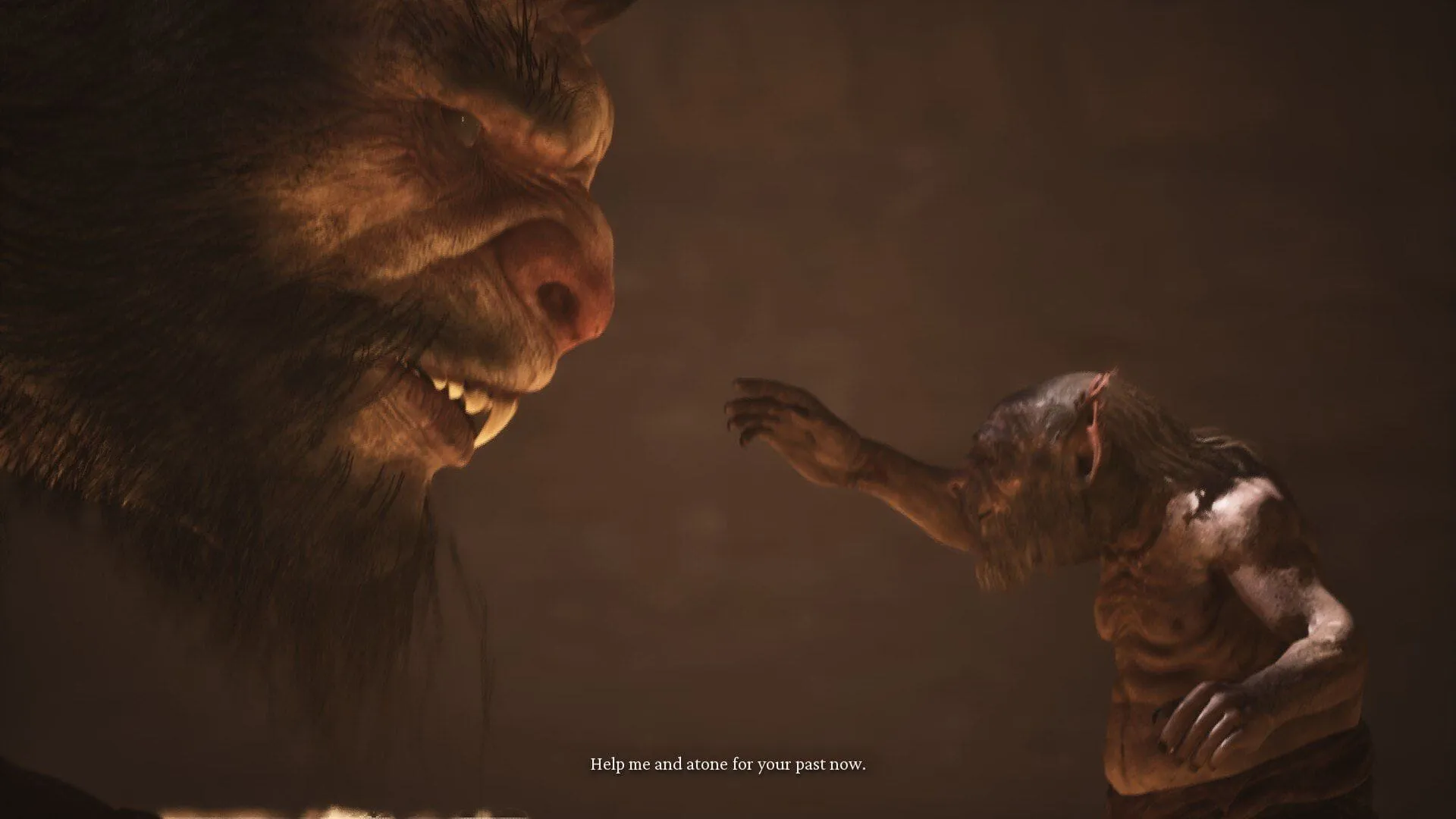
Alright, let’s get to the heart of the matter: the combat. Listen up, because this is important. Despite what you might have heard, Black Myth: Wukong is not a Souls-like. Sure, it borrows some familiar elements—checkpoints (called ‘Awakenings’), limited healing from your Healing Gourd, and a challenging difficulty—but its soul (pun intended) is different. It feels closer to the rhythmic, aggressive combat of Sekiro or the recent God of War titles. The biggest difference? Death has almost no sting. You don’t lose your experience (called ‘Will’) or your progress toward the next skill point (‘Spark’). You just respawn, maybe mutter a curse under your breath, and try again. It removes a layer of frustration and lets you focus purely on mastering the fight.
Your primary tool is the iconic Staff, and mastering its flow is key. Combat has a rhythm to it—you can’t just spam dodge. You need to learn enemy patterns, time your evades, and strike when there’s an opening. It’s a dance, and a brutally beautiful one at that. You unlock skills via a straightforward Skill Tree using Sparks. I loved this system because it’s not cluttered with meaningless stat buffs. Instead, you get meaningful active and passive abilities that genuinely change how you play. Then there are Spells, which act as powerful secondary abilities with their own cooldowns, and Curios that provide unique passive bonuses.
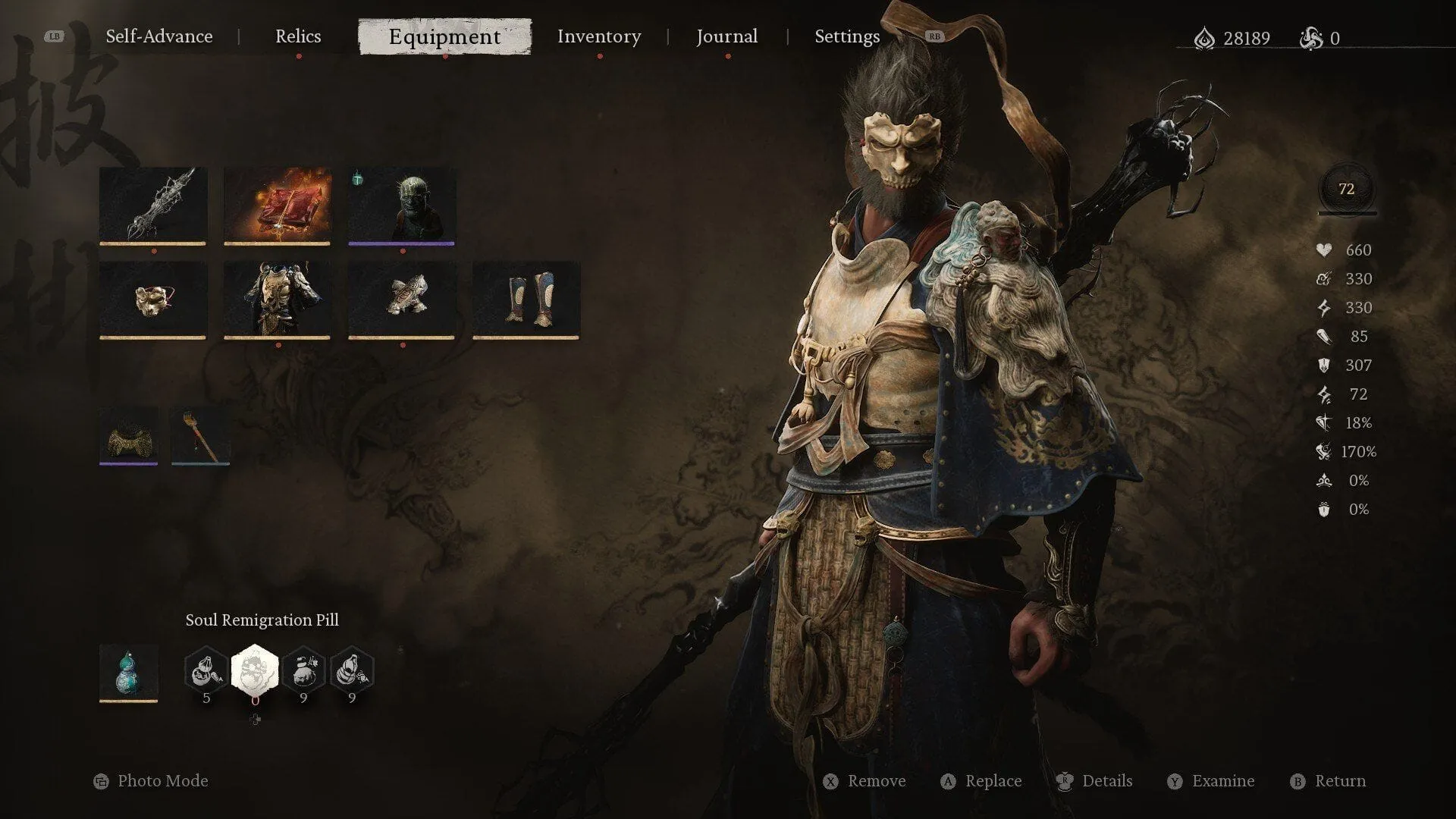
A standout mechanic is the Focus system. As you deal damage, a gauge fills. When it’s maxed, a heavy attack unleashes a devastating Focus attack. The way these weave into your regular combos is incredibly satisfying. My one gripe with the progression system is its linearity. There’s not much in the way of build crafting or customizability. New armor sets you find simply have better stats, making older ones obsolete regardless of their perks. I would have loved more reason to mix and match.
Ah, the bosses. If there’s one thing I was hyped for, it was the boss fights. And let me tell you, the game did not disappoint. I was worried it might be a non-stop ‘boss rush,’ but Wukong masterfully balances epic encounters with substantial exploration. The world is packed with secrets, hidden paths, and optional areas that lead to some of the best fights in the game. The boss design is, in a word, spectacular. Very few are simple reskins. Most are unique encounters with their own movesets, phases, and personalities. Coming from games like Elden Ring where boss reuse is common, this was a breath of fresh air.
These bosses will make you think. You can’t just bulldoze through with one setup. You’ll need to adapt your Spells and strategies for each encounter. Some optional bosses even drop their ‘Spirits,’ allowing you to temporarily transform into them during combat—a fantastic and powerful reward. The main story bosses, however, offer pure spectacle. The production value behind these fights is staggering. For a studio’s first AAA action RPG, the quality is mind-blowing. Some of these encounters, I dare say, give FromSoftware’s best a run for their money.
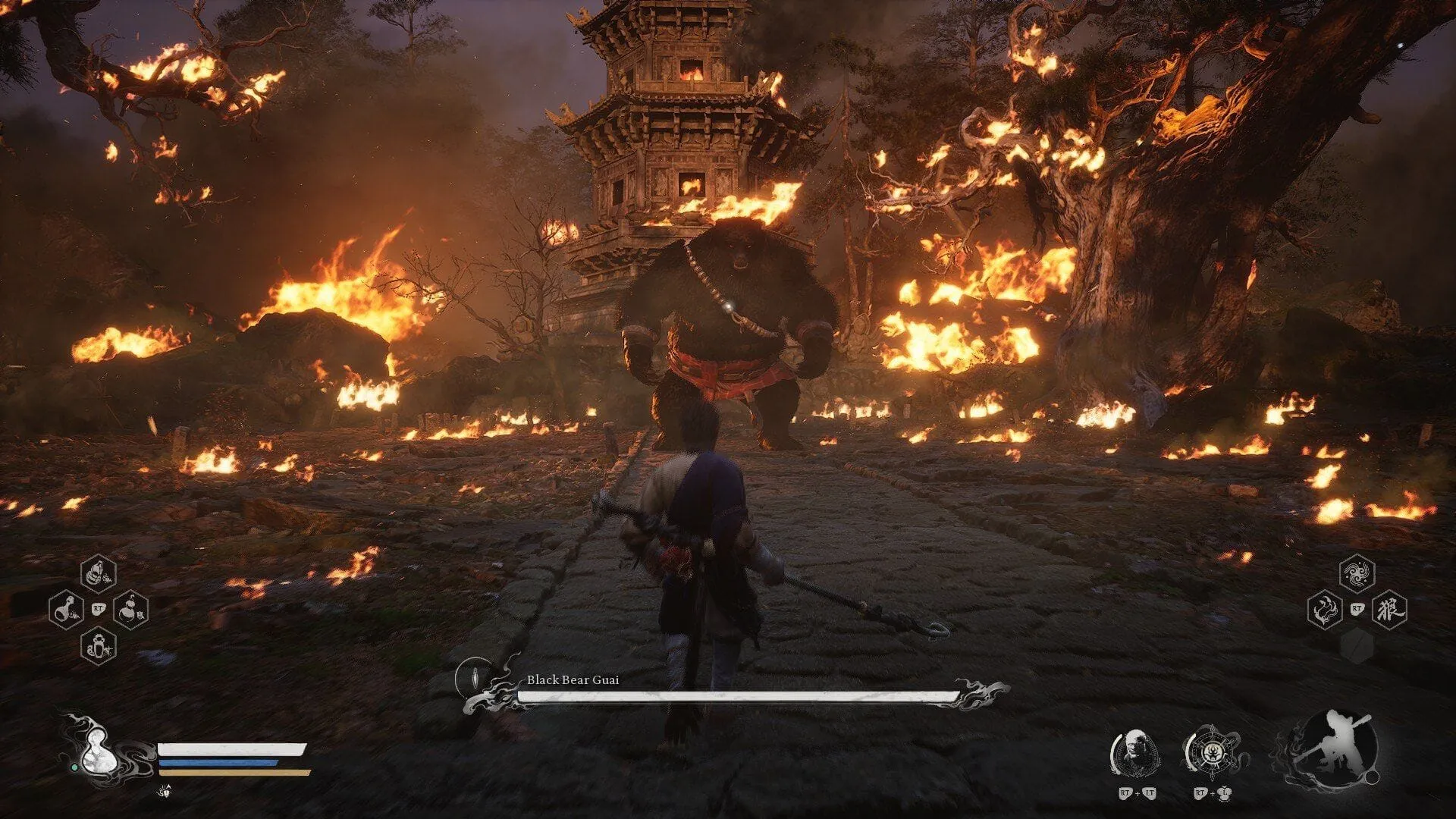
Now, about the difficulty. Is the game hard? You bet. The opening chapters are fairly forgiving, serving as an extended tutorial. But the final stretch? Oh man, it hits you like a truck. The difficulty spike is real, and at times, it can feel a bit overwhelming—and not always in a good, ‘fair challenge’ way. I won’t spoil specifics, but imagine bosses with two full health bars, attacks that drain your health constantly, abilities that sabotage your healing to heal themselves, and lengthy combo strings where a single mistake means a one-shot. It can be frustrating. While I don’t think the bosses themselves need a nerf, a slight buff to the player’s base damage output might help less-experienced players keep up without diluting the challenge for veterans.
On the technical side, PC players, rejoice! For a cutting-edge Unreal Engine 5 game, Wukong is incredibly well-optimized. Playing on my setup (Ryzen 5 5600X, RTX 4070, 16GB RAM), I maintained a rock-solid experience at 1440p with High settings, DLSS, and Frame Generation. A few minor stutters popped up at launch, but a post-release patch smoothed most of them out. In over 60 hours of play, I didn’t experience a single crash—a testament to the care put into the PC port.
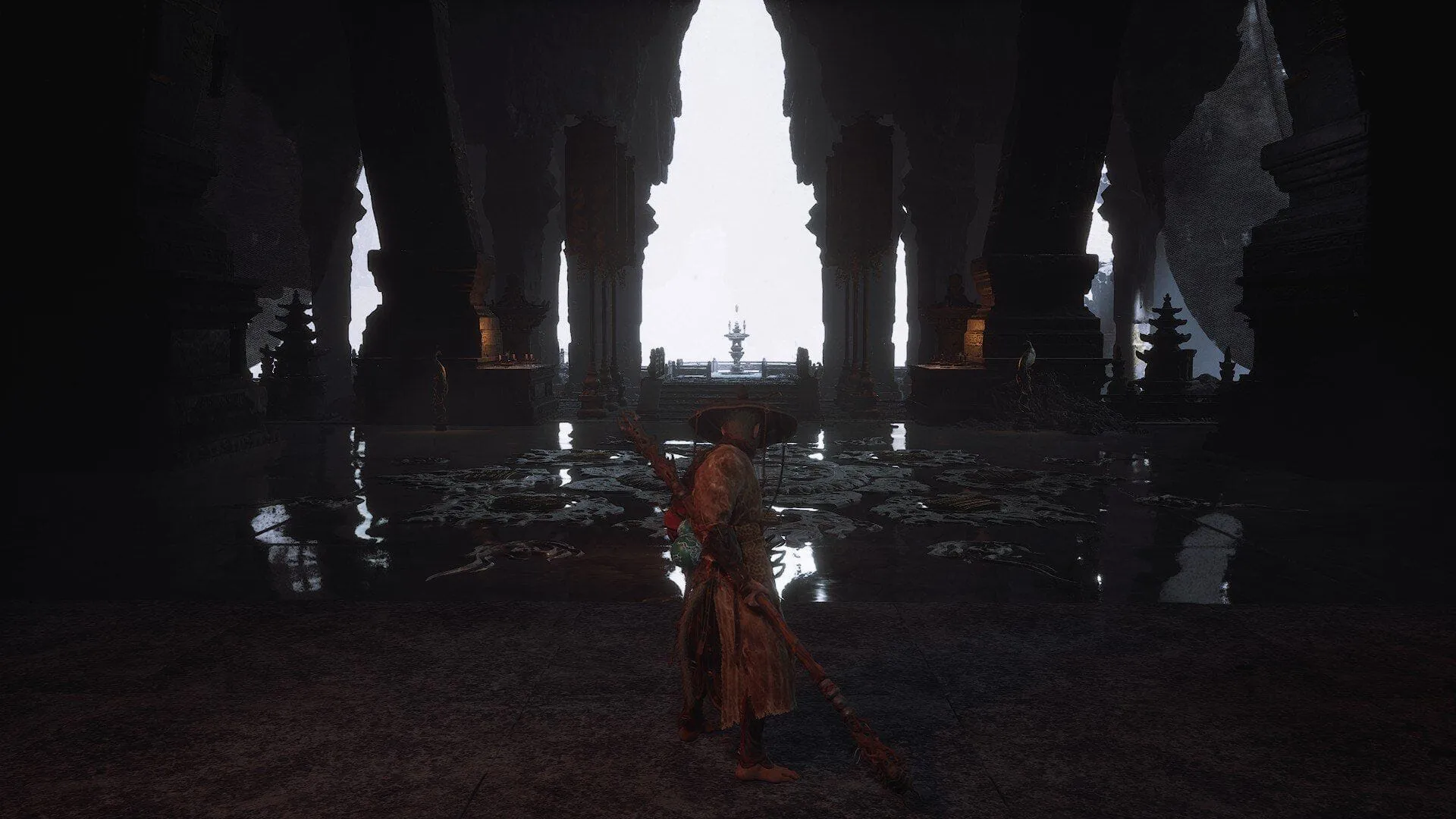
Of course, no game is perfect. Wukong has its quirks. The level design, while gorgeous, can be confusing. The game offers zero hand-holding, which I usually appreciate, but the photorealistic environments sometimes blend together, making it easy to get lost. I spent a good chunk of time in the final chapter just wandering, looking for the critical path. Some subtle visual cues would have gone a long way. Also, a word on audio: play with the original Chinese voice acting. The English dub is serviceable but lacks the gravitas and immersion of the native performance. Just be aware that during intense boss fights with important dialogue, reading subtitles can be… tricky, to say the least.
In 2026, Black Myth: Wukong still feels like a bold statement. It strips away much of the bloat common in modern RPGs, delivering a focused, action-packed adventure that isn’t afraid to challenge its players. It harkens back to an era of game design where experimentation was celebrated. With its immaculate art, robust and rhythmic combat, intriguing take on a classic myth, and some of the most spectacular boss fights ever committed to code, Wukong left me awestruck. It’s not a game for everyone—its late-game difficulty will see to that—but for someone like me, who craves a deep, challenging, and visually magnificent experience, it’s an absolute masterpiece. I may have seen the credits, but I know I’ll be returning to this world for years to come, staff in hand, ready for another round.